Not only lightning and surge protection play a major role in the safe operation of a photovoltaic system – preventive fire protection is also key.
Special fire protection requirements apply for PV systems:
The spread of fires in the area of fire protection walls must be prevented, both outside and inside the building. For outdoor areas, state construction regulations also stipulate that combustible cables may not be run over firewalls without fire protection measures. Of course, this also applies to PV cables.
The risk of them leading a fire to the adjacent roof area and bypassing the fire sections in the event of a fire is too high.
Stainless steel ducts and cable bandages
However, individual cases are possible, in which the routing of combustible cables over firewalls cannot be avoided.
In these cases, it is essential to protect the cables. The Federal Ministry of the Interior, Building and Homeland (BMI) and the AMEV (workgroup for machinery and electrical engineering, state and communal administration) defined two possible solutions in Recommendation No. 159 “EltAnlagen 2020” (electrical installations 2020):
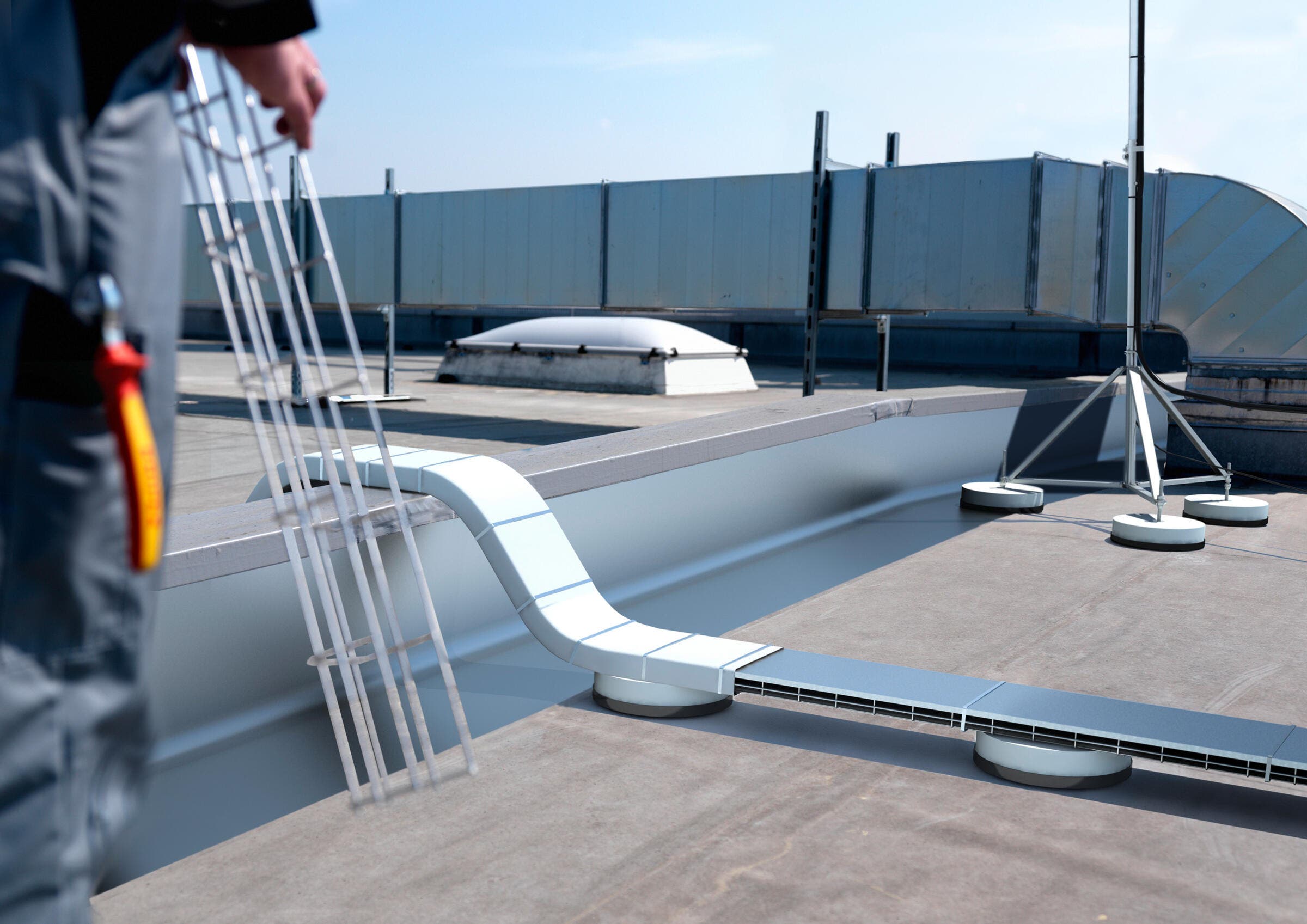
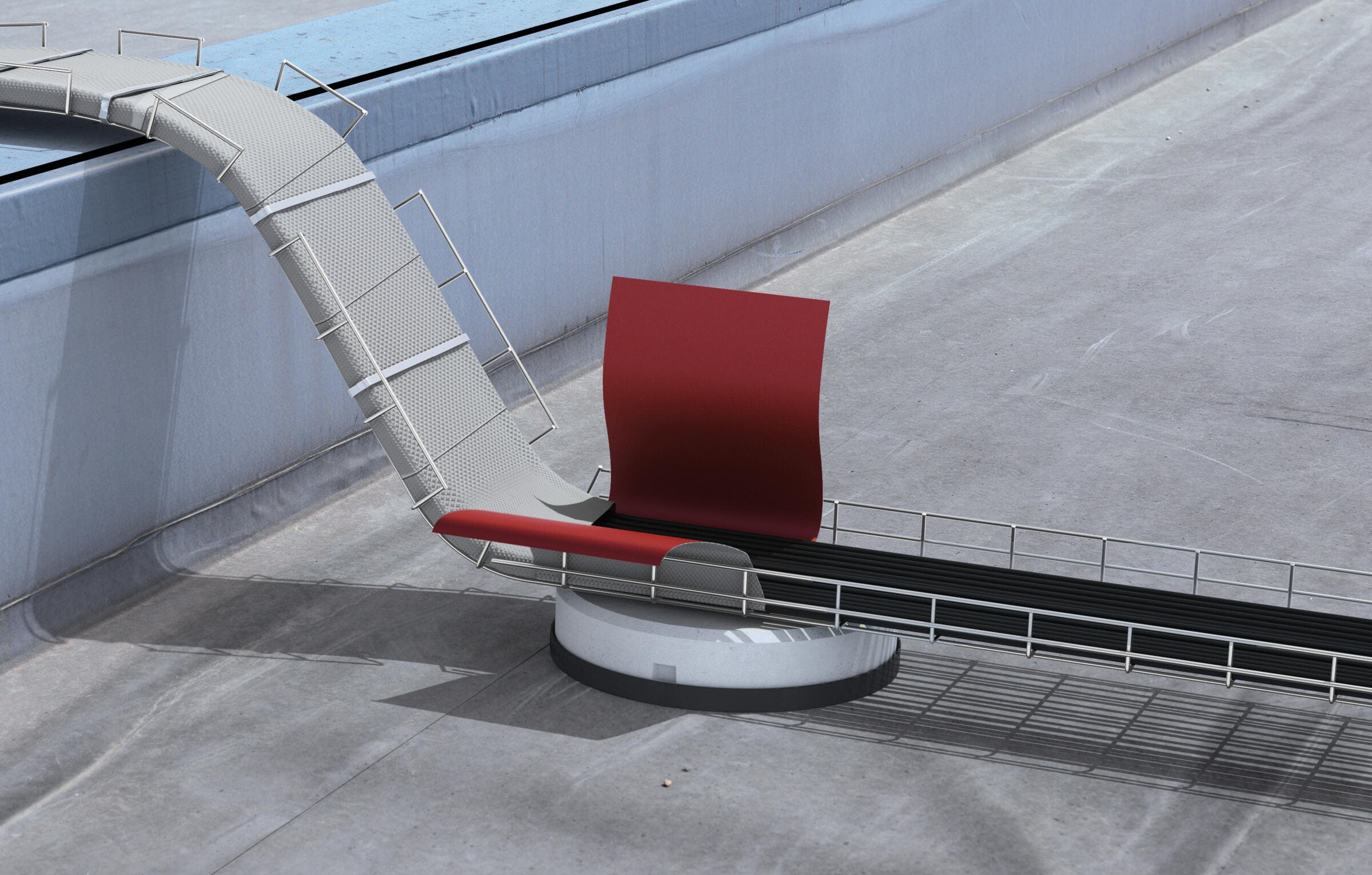
The PV cables can be routed in form-stable, robust stainless steel ducts, such as the OBO PYROLINE® PLMR, or the cable bundles can be wrapped with weather-resistant cable bandages, such as PYROWRAP® Wet FSB-WB.
The efficiency of the two systems is described and confirmed in separate reports. Both solutions contain substances forming an insulation layer that foam up in the event of a fire and prevent the spread of fire via the PV cables.
Fireproof cable installations in escape and rescue routes
In some cases, the PV cables carrying direct current must first be routed through the building up to the inverter.
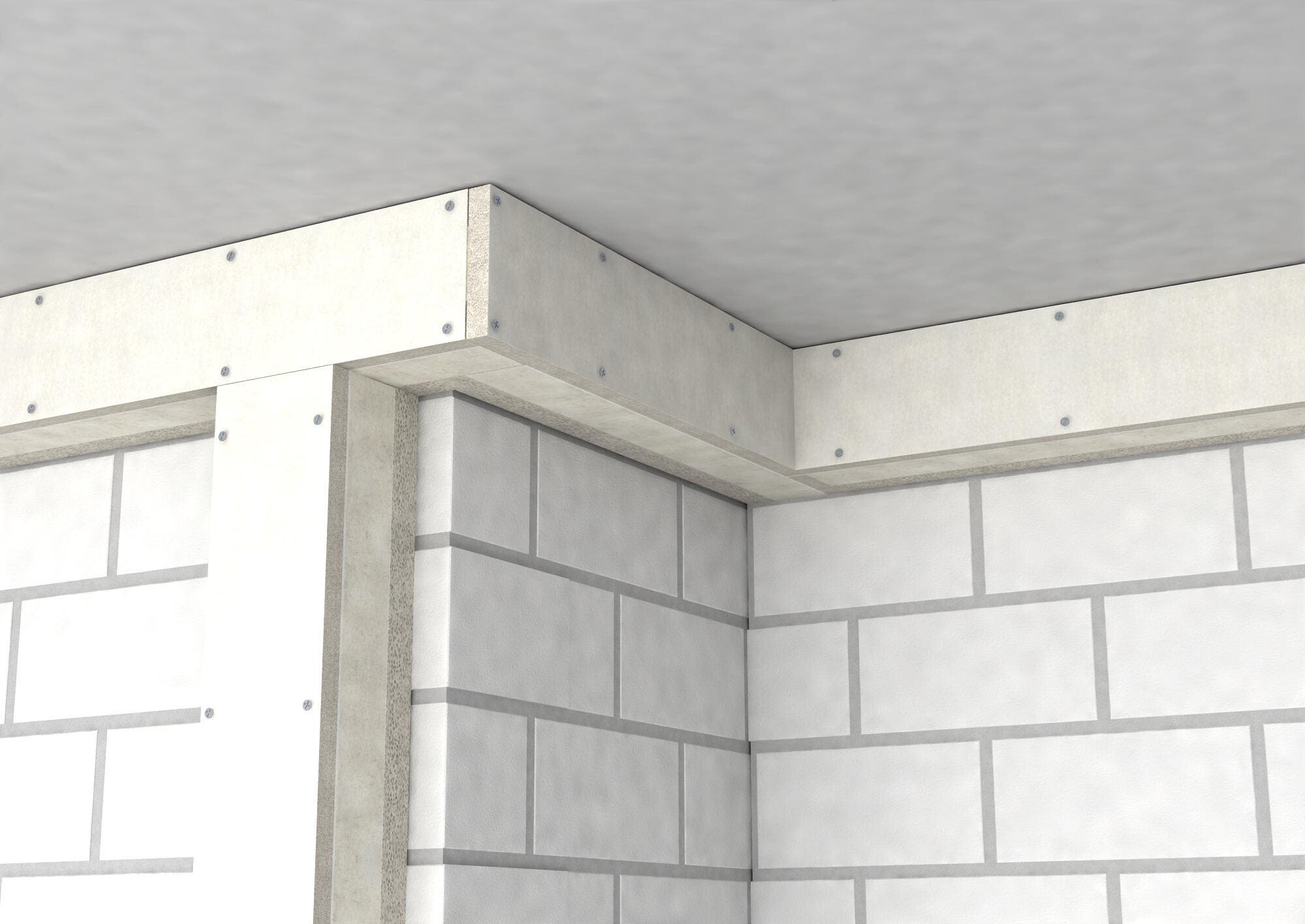
If the installations are in escape and rescue routes, then the PV DC cables must be routed in encapsulated form. Fire protection ducts, such as the PYROLINE® SUN PV from OBO, are just the right solution. If there is a fire, its non-conductive surface ensures protection against dangerous contact voltages. It fulfils the requirements as an I duct according to DIN 4102 Part 11 for cable installations in emergency and escape routes and also meets the requirements of application rule VDE-AR-E 2100-712.